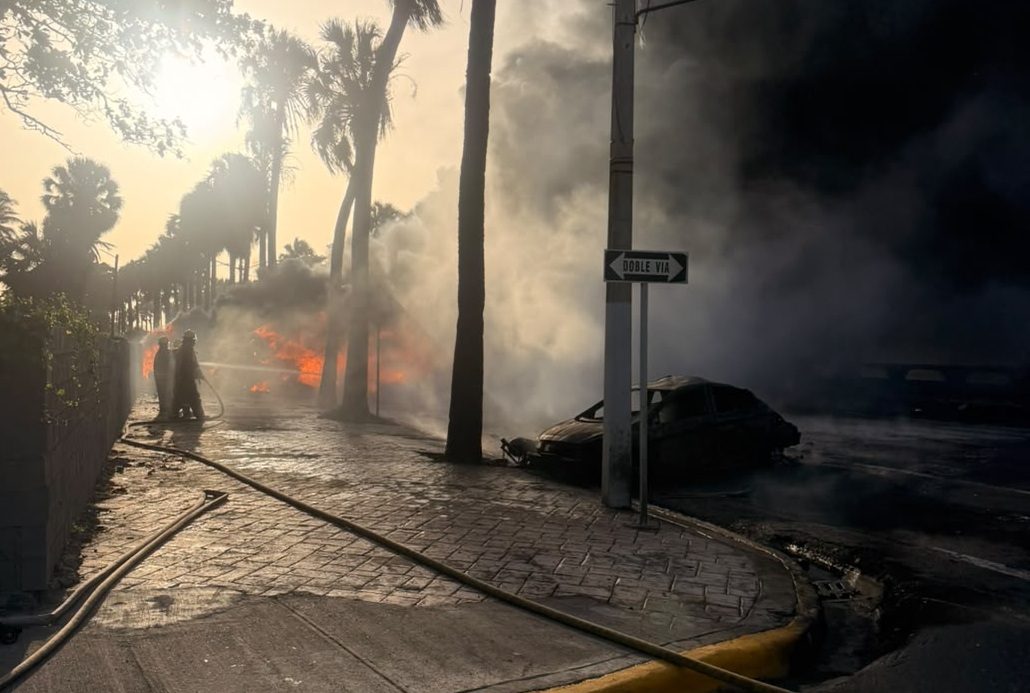
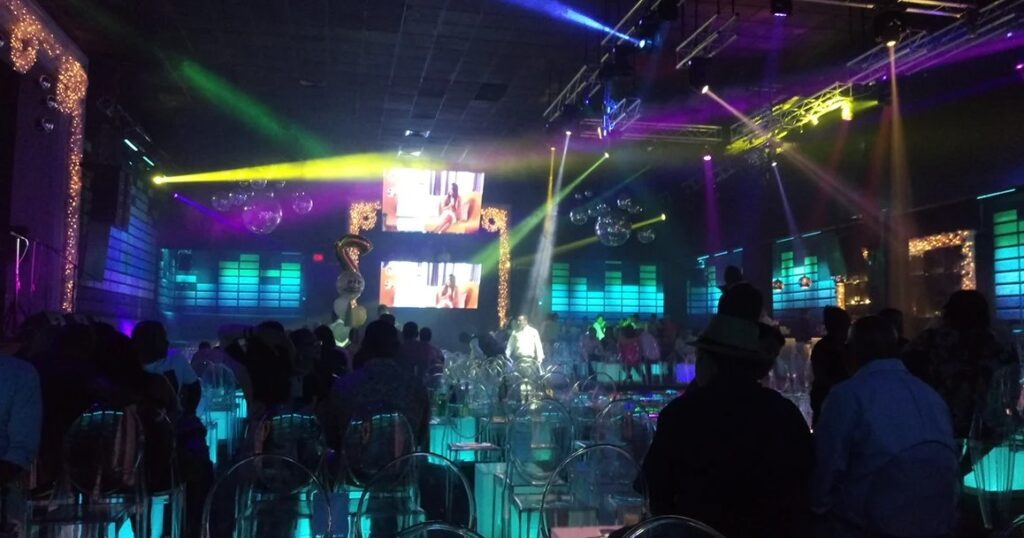
It was supposed to be a night of joy. Rubby Pérez, the merengue legend, was taking the stage at Jet Set Club — a cultural institution in Santo Domingo, where generations danced, drank, and felt the rhythm of life. But April 8, 2025, will now be remembered as one of the darkest nights in Dominican history.
The roof collapsed mid-performance. Within seconds, steel and concrete came crashing down onto a crowd of hundreds. The death toll? 233 souls. Injured? Nearly 200. Survivors? Scarred for life. Families torn apart. And a nation forced to stare into the mirror and ask: How did we let this happen?
The Collapse That Shook a Country
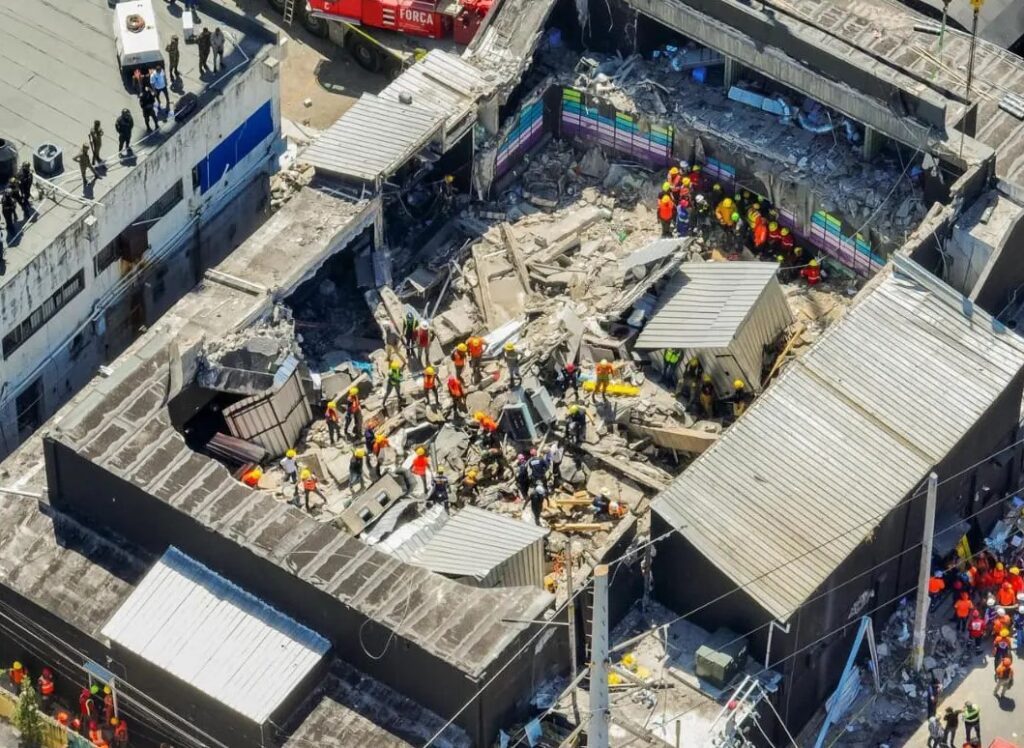
Jet Set wasn't just any nightclub. Since the 1970s, it had been the beating heart of Dominican nightlife — glitzy, loud, alive. But behind the champagne and spinning disco balls hid decades of neglect, both structural and moral.
Former workers had warned of roof leaks, unstable beams, and patchwork repairs. One brave whistleblower even leaked WhatsApp messages months earlier, showing urgent cries for help that were ignored. In a particularly haunting message, a worker said, “The ceiling won’t last another rainy season.” They were right. It didn’t.
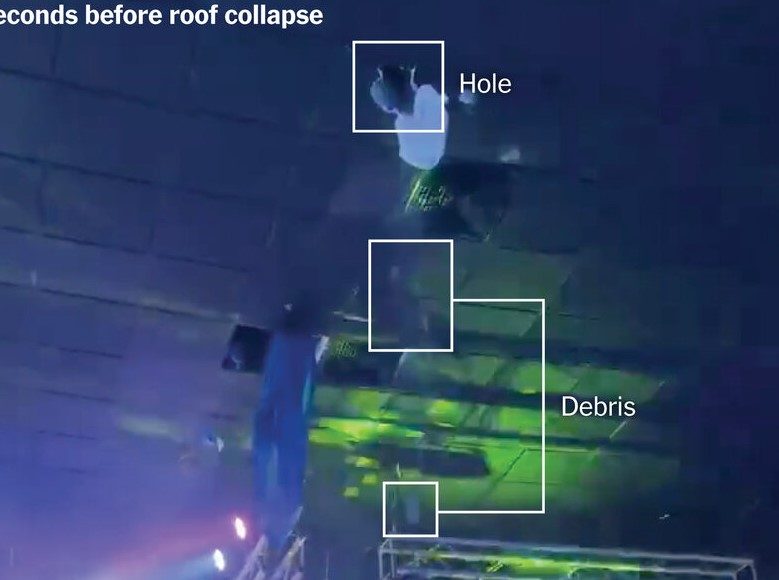
Hours before the fatal concert, rushed patchwork repairs were made. Plasterboard. Paint. Cosmetic fixes for fatal cracks. And then — like a final curtain call — the building gave way.
Why Did It Take So Long to Arrest the Owners?
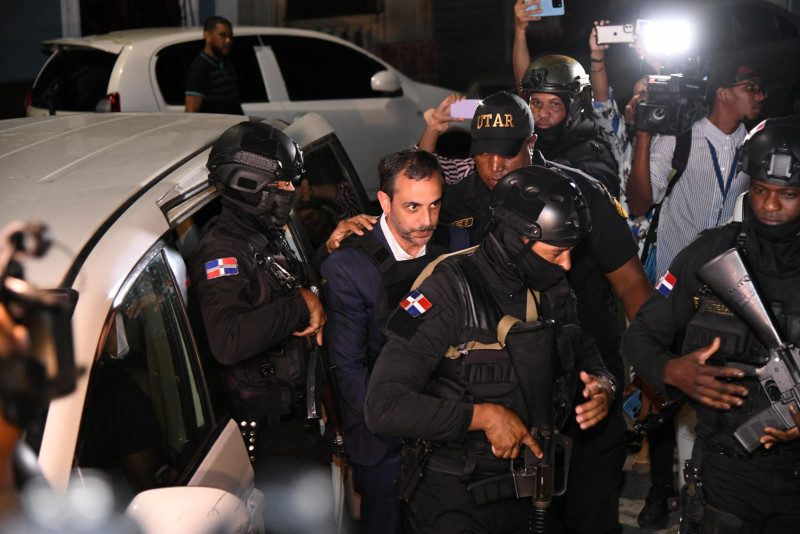
The pain of the collapse was only compounded by what came next: silence. Weeks passed. Then a month. Two. No arrests. No public statements from the owners. No accountability.
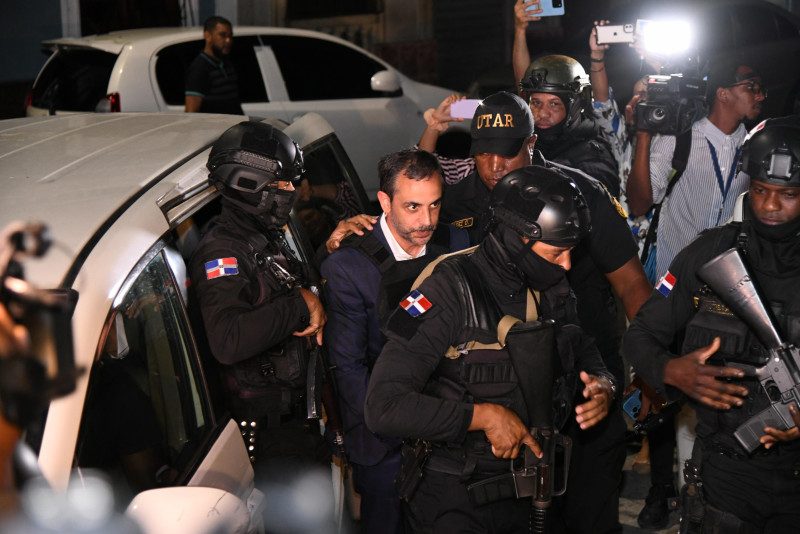
Antonio and Maribel Espaillat, siblings and longtime operators of the Jet Set venue, were not arrested until June 12 — more than two months after the tragedy. Two months of funerals, of unanswered questions, of public outcry and protest. Two months of anguish.
So why the delay?
- Power and Privilege: The Espaillats were no ordinary business owners. Antonio was well-connected in the broadcasting world, while Maribel served on multiple corporate boards. They weren’t just rich — they were untouchable, or so it seemed.
- Institutional Paralysis: Government bodies tasked with building oversight — from public works to the municipality — all failed to act. For decades, Jet Set operated without updated inspections. No permits were reissued. No fire safety reviews. Every agency that should’ve stepped in simply didn’t.
- Pressure from Victims’ Families and the Public: What finally tipped the scale wasn’t politics — it was people. Protests, petitions, legal filings from over 80 families, and relentless coverage in the media forced the justice system to wake up. The arrests of the Espaillats came only after this wave of civic pressure became impossible to ignore.
They now face 82 legal actions — a mix of criminal and civil suits ranging from involuntary manslaughter to willful negligence. The charges are heavy, and so is the country’s demand for justice.
What Will Happen to the Jet Set Club?
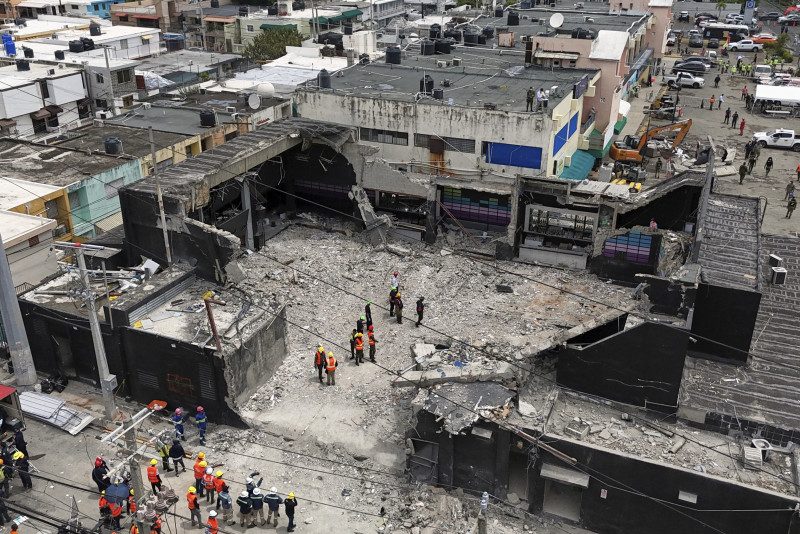
Legally, Jet Set is frozen. Prosecutors have seized the property, and investigators are performing structural and financial audits. The brand itself is now radioactive — even if rebuilt, it’s hard to imagine anyone dancing under that name again.
But there’s more at stake than just bricks and neon lights. There are three possible futures:
- Demolition: Many believe the only proper ending is to tear it down and build a memorial park for the victims.
- Nationalization: Others suggest the government could seize the land and use it as a cultural space, owned by the people.
- Permanent Closure: Lawsuits could ultimately bankrupt the owners and dissolve Jet Set’s operating company altogether.
No matter the outcome, the club as we knew it is gone. And maybe that’s exactly what needed to happen.
How Will This Change the Dominican Republic?
This tragedy is not just a building collapse — it’s a national reckoning. It exposed how deep the rot goes: outdated building codes, corrupt inspectors, and a system that protects the powerful while failing the people.
Here’s what we’re already seeing and what’s likely to come:
1. Rewriting the Building Code
The last major update to the Dominican Republic’s construction code was in the early 2000s. Since then, the country has faced hurricanes, earthquakes, and rapid urban growth — but the rules stayed the same. Now, lawmakers are pushing forward with an emergency reform bill that would:
- Mandate inspections every 5 years for public venues
- Require structural certifications by licensed engineers
- Impose criminal penalties for violations resulting in injury or death
2. Creating a National Registry of Building Safety
A new digital platform is being proposed to track permits, safety records, and inspection results — publicly accessible and updated in real-time. No more hiding behind paper files or favors.
3. Cultural Change Around Accountability
For decades, Dominicans have grown used to a culture of impunity. That may be ending. The Jet Set collapse woke up a new generation — angry, informed, and unwilling to stay silent.
More professionals are now refusing to sign off on faulty designs. More citizens are reporting violations. And most importantly, the victims’ families are organizing not just for justice in court, but for legacy.
Final Words from the Rubble
What collapsed that night wasn’t just a roof. It was the illusion that some people, places, or businesses are above the law. Jet Set was a glittering symbol of success — but behind the glamour was neglect, silence, and greed.
233 people didn’t have to die. But they did. And the question we must keep asking is: Will we let it happen again?
We can’t bring them back, but we can build something better in their memory — stronger laws, safer spaces, and a culture that never turns away from danger just because it’s inconvenient to act.
Let Jet Set be the last. Not the latest. To view and more detailed on the lost ones and the history about JetSet, you can visit: https://jetset.listindiario.com/
—
Dedicated to the victims and families. Your grief is a national cry for change. May the country never forget.