Early Life and Education
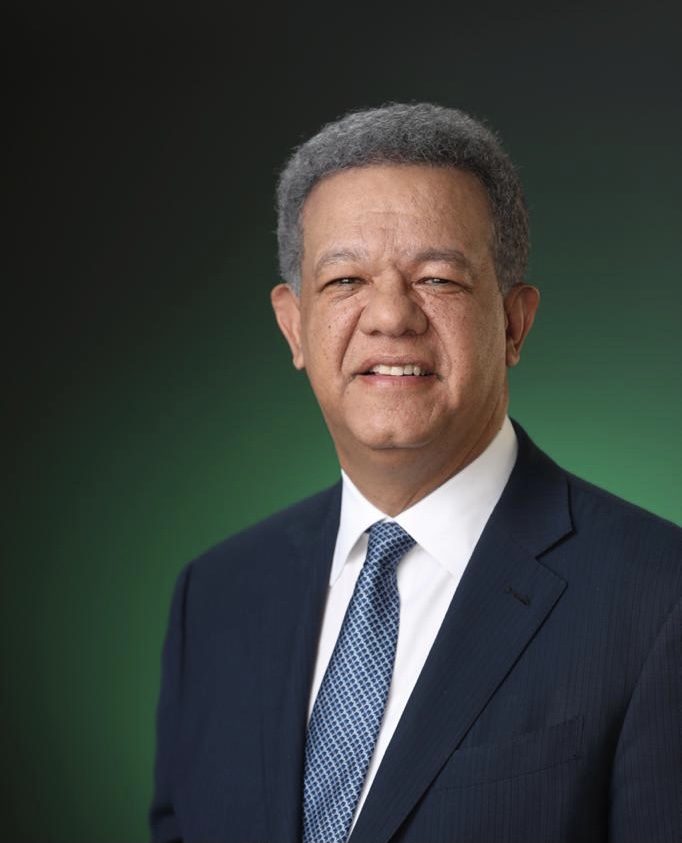
Leonel Antonio Fernández Reyna was born on December 26, 1953, in Santo Domingo, Dominican Republic. In 1962, his family moved to New York City, where he completed his secondary education. Returning to the Dominican Republic in 1968, he enrolled at the Universidad Autónoma de Santo Domingo (UASD), earning his law degree magna cum laude in 1978. His academic excellence was recognized with the J. Humberto Ducoudray award for being the top student in his class.
Political Ascent
Fernández's political journey began in 1973 when he joined the Dominican Liberation Party (PLD), founded by former President Juan Bosch. He rose through the party ranks, serving as International Affairs and Press Secretary and director of the party’s magazine, "Politics, Theory and Action." In 1994, he was chosen as Bosch's vice-presidential candidate. By 1995, he became the PLD's presidential candidate for the 1996 elections.
First Presidency (1996–2000): Embracing Globalization
Elected in 1996, Fernández became the first PLD member to assume the presidency. His administration prioritized economic modernization, infrastructure development, and international integration. Key achievements included:
- Economic Growth: The Dominican economy experienced an average growth rate of 7.7% annually, with inflation stabilized in the low single digits.
- Infrastructure Development: Initiatives like the construction of highways, tunnels, and the establishment of the Metropolitan Office of Autobus Services (OMSA) improved urban transit.
- International Relations: Fernández actively engaged in international forums, strengthening ties with CARICOM, Central America, and integrating the Dominican Republic into the Rio Group and the ACP (African, Caribbean, and Pacific countries).
However, critics noted that the benefits of economic growth were not evenly distributed, and issues like poverty and corruption remained unaddressed.
Second and Third Presidencies (2004–2012): Continuity and Challenges
After a constitutional amendment allowed consecutive terms, Fernández was re-elected in 2004 and again in 2008. His subsequent terms focused on:Wikipedia
- Economic Stability: Despite global economic challenges, the Dominican Republic maintained steady growth, with a 3.5% rate in 2009 and projections of 6.5% to 7% in 2010.
- Infrastructure Projects: Major projects included the construction of the Santo Domingo Metro, regional centers of the Universidad Autónoma de Santo Domingo (UASD), and the Corredor Duarte.
- Social Programs: Initiatives like the school breakfast program and the establishment of the Instituto Tecnológico de las Américas aimed to improve education and technology access.
Nonetheless, his administration faced criticism for increasing public debt, with a reported fiscal deficit of 8% of GDP by the end of his term. Additionally, allegations of corruption and lack of transparency surfaced, particularly concerning large infrastructure projects.
Post-Presidency and Continued Influence
After leaving office in 2012, Fernández remained active in politics and academia:
- Founding FUNGLODE: He established the Fundación Global Democracia y Desarrollo (FUNGLODE), focusing on research and policy development.
- International Roles: He served as President of the World Federation of United Nations Associations from 2018 to 2022.
- Political Realignment: In 2019, following disputes within the PLD, Fernández founded the People's Force (Fuerza del Pueblo) party, positioning it as a progressive alternative.
Legacy and Impact
Leonel Fernández's tenure is marked by significant economic and infrastructural advancements, positioning the Dominican Republic as a more globally integrated nation. However, persistent issues like corruption, public debt, and social inequality have led to debates about the long-term effects of his policies. His continued involvement in politics suggests that his influence on the country's direction remains substantial.
Understanding Fernández's complex legacy is essential for comprehending the Dominican Republic's contemporary political and economic landscape.